“
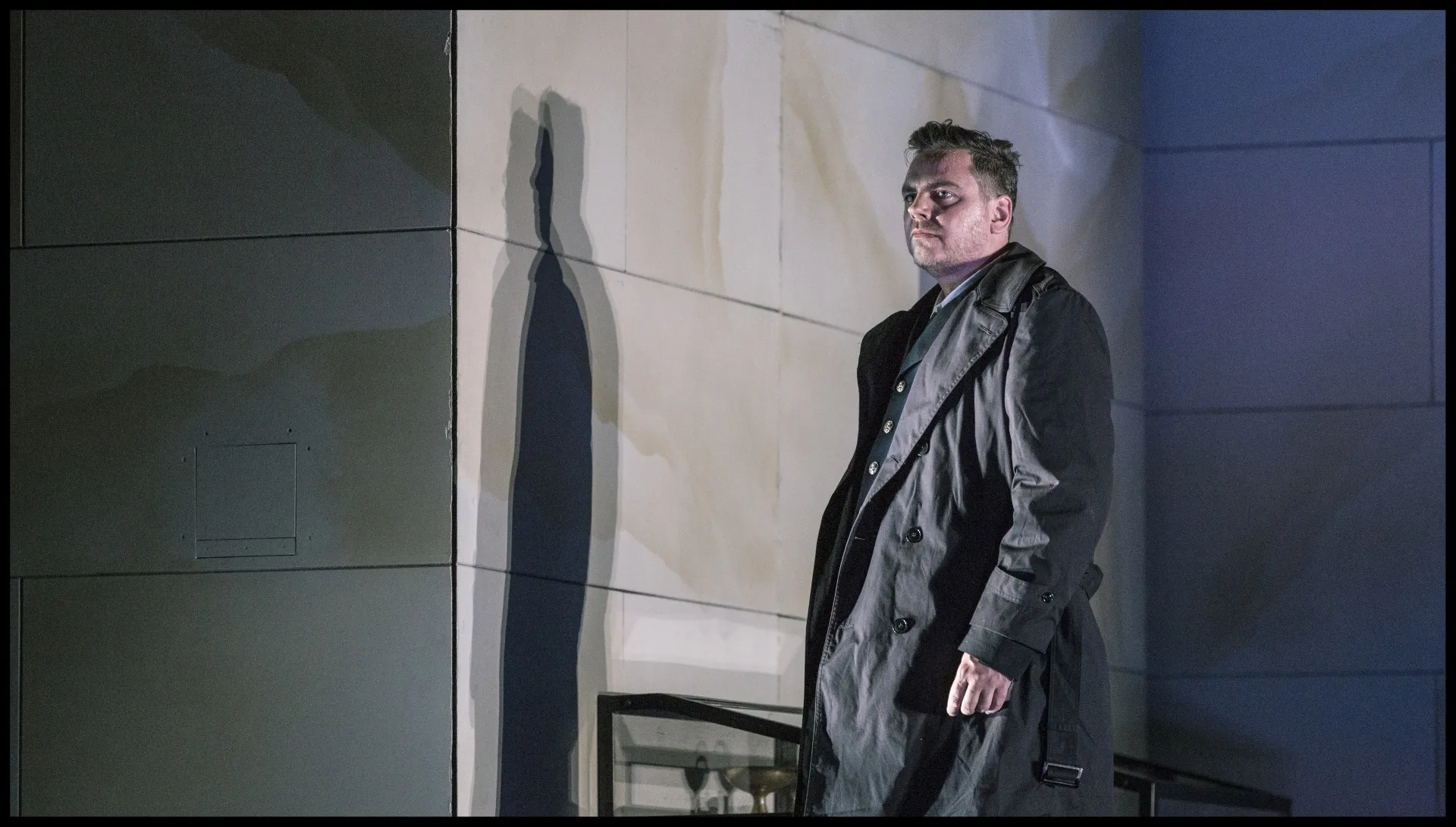
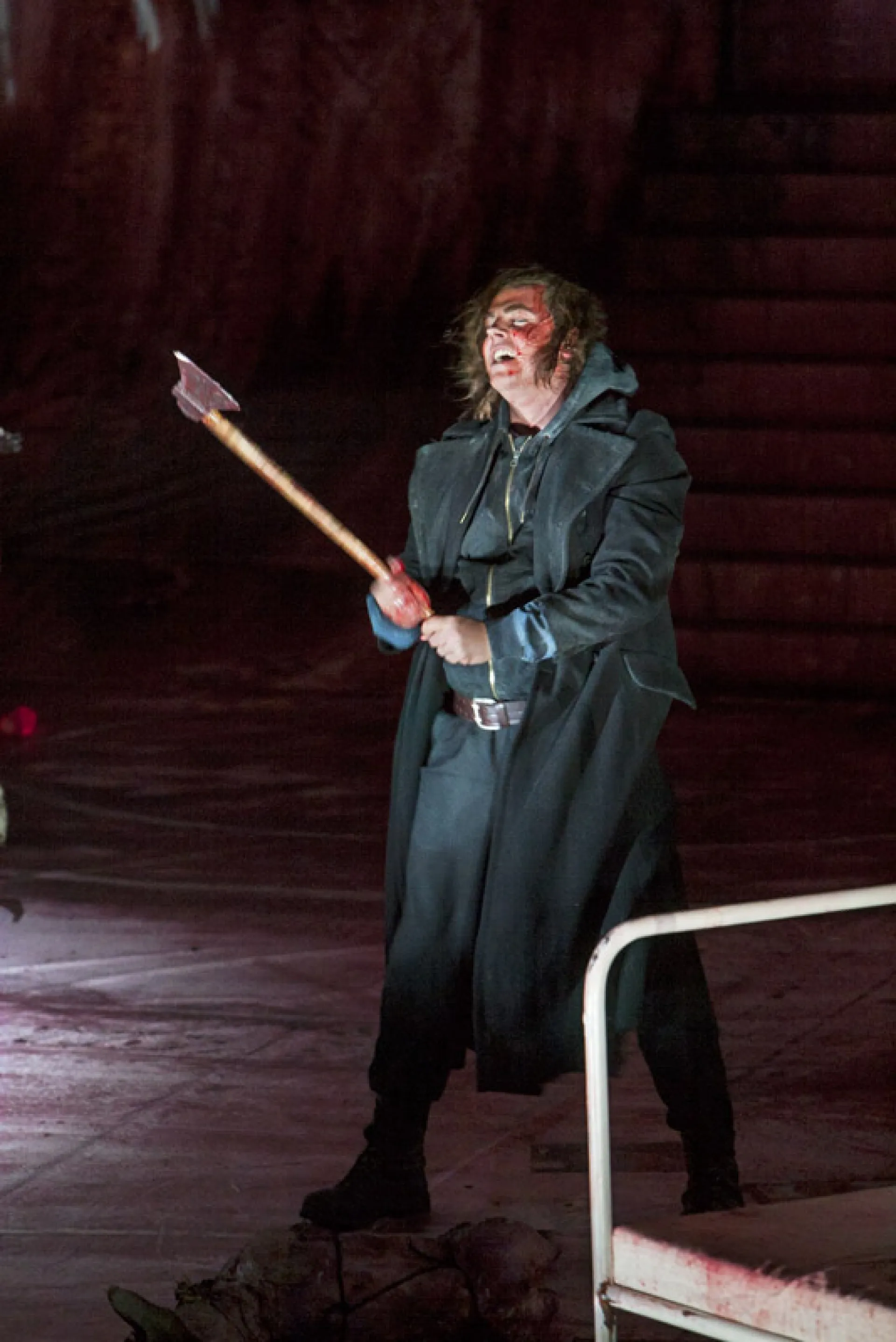
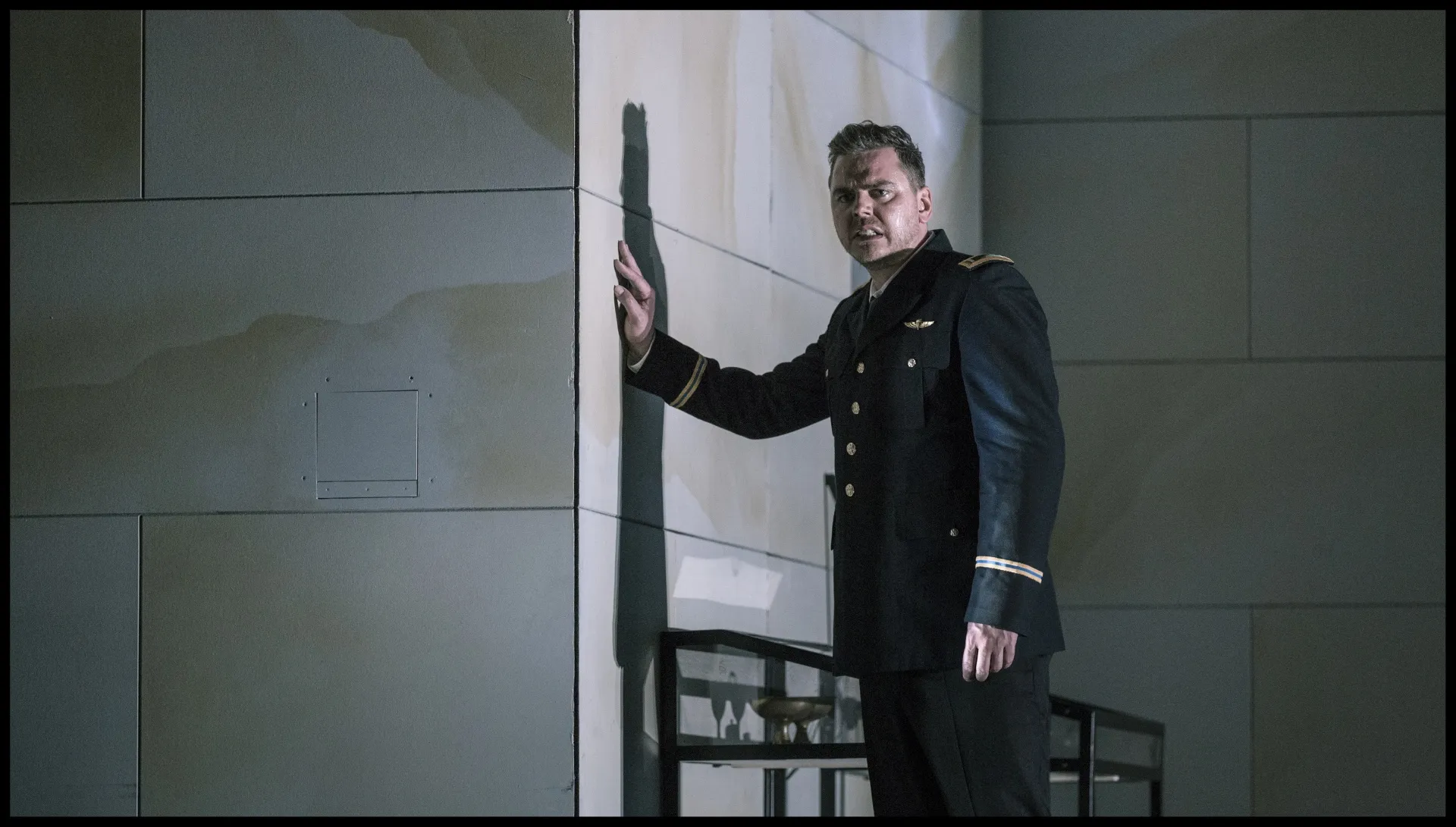
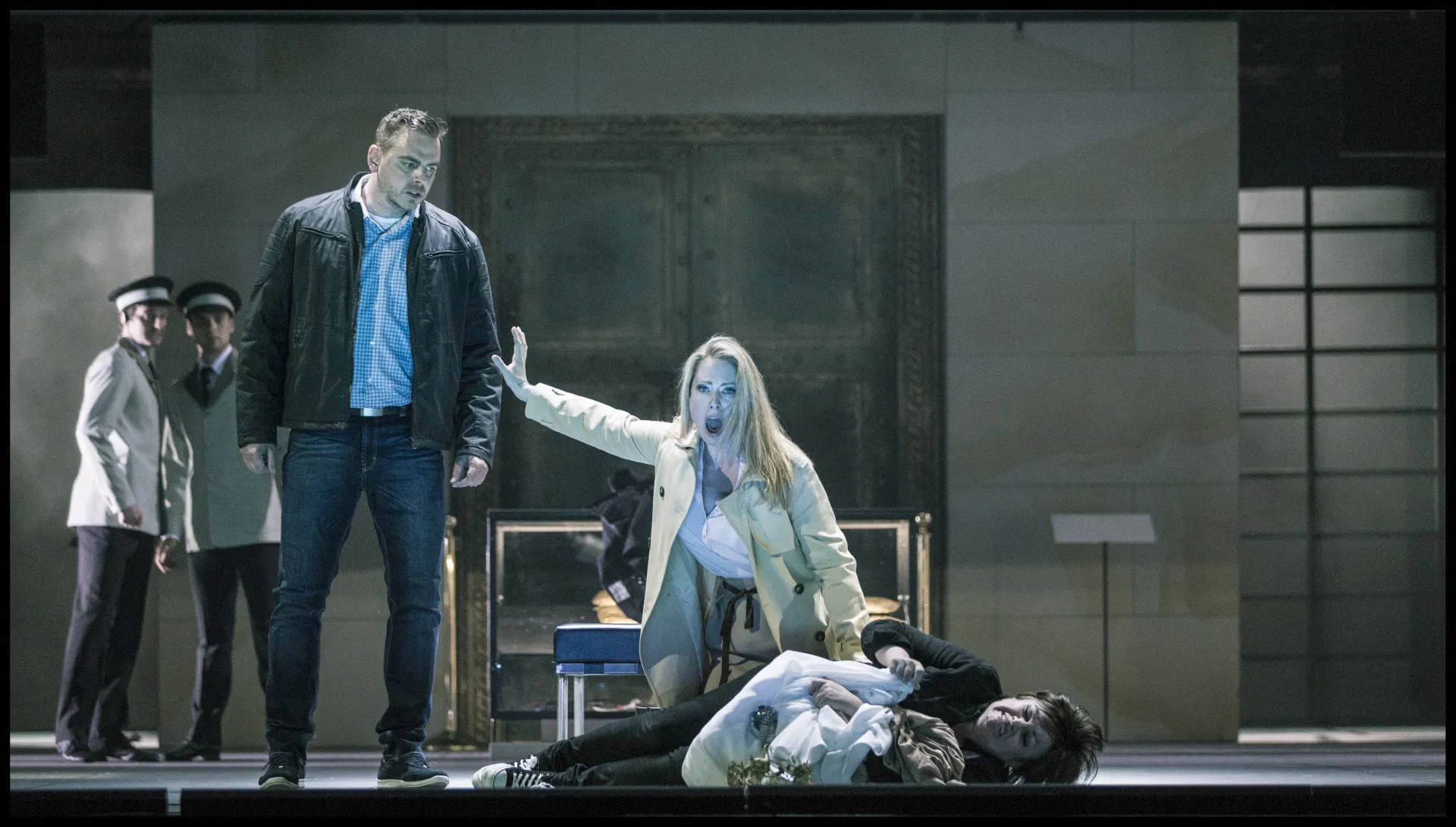
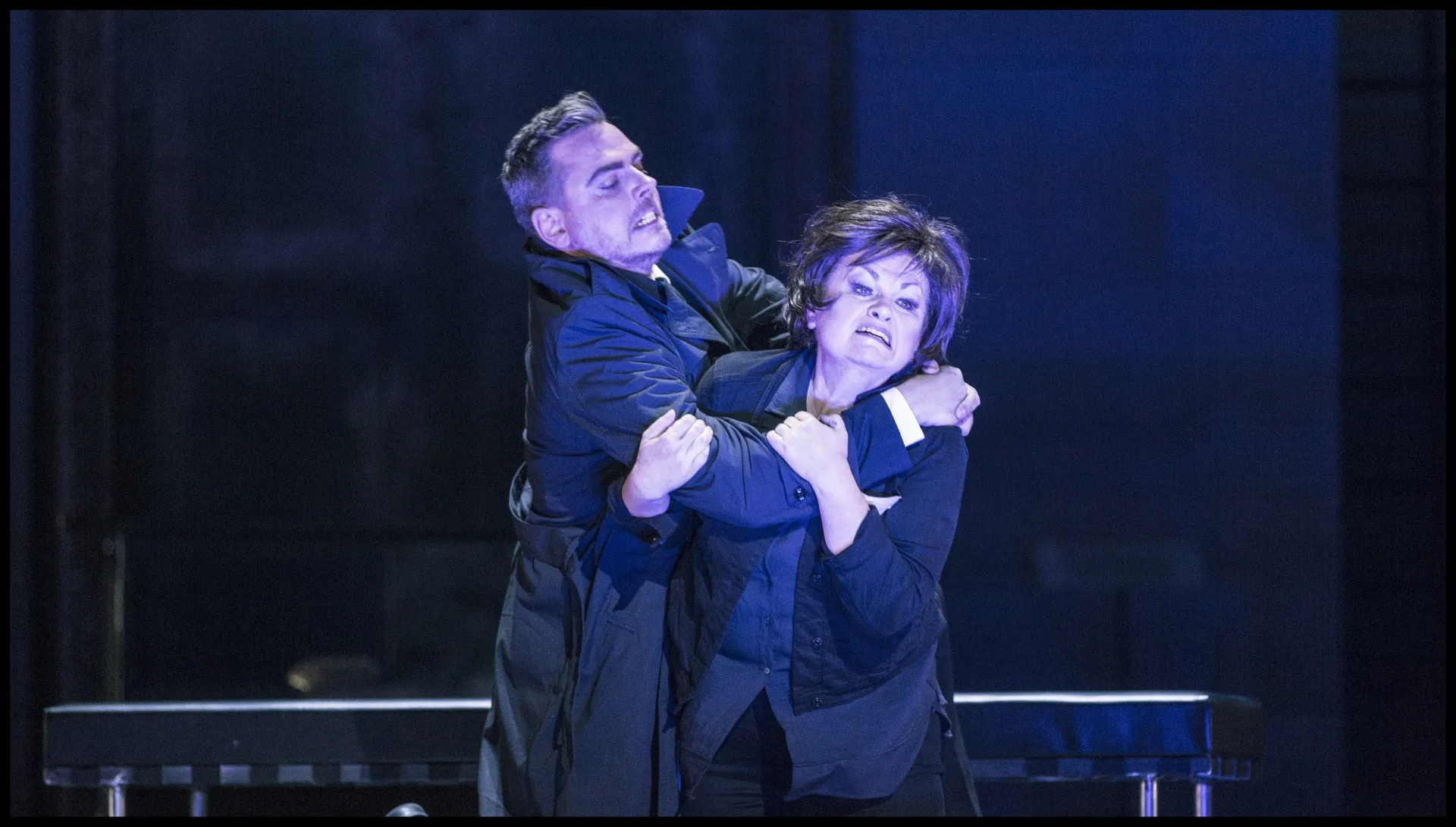
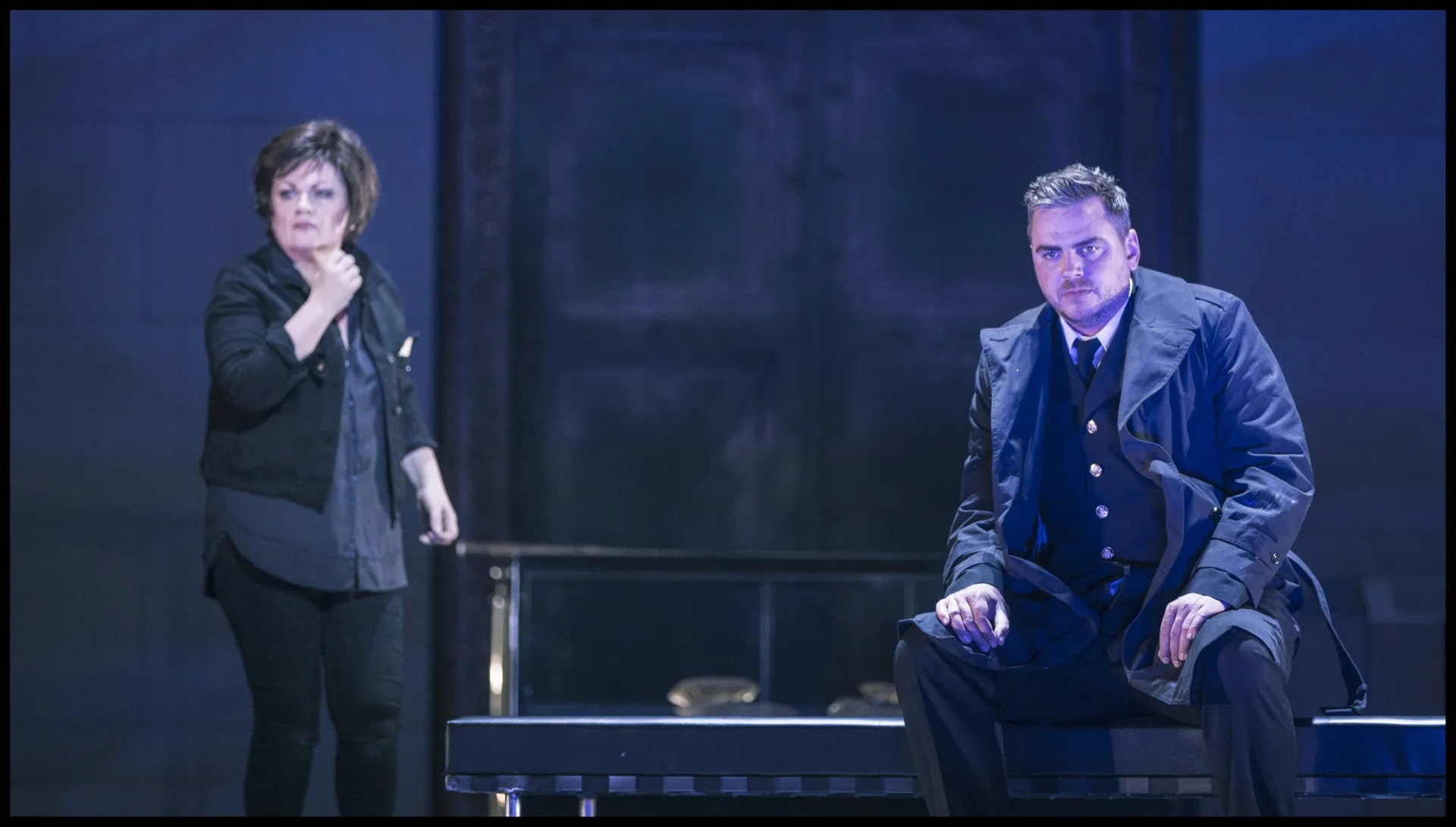
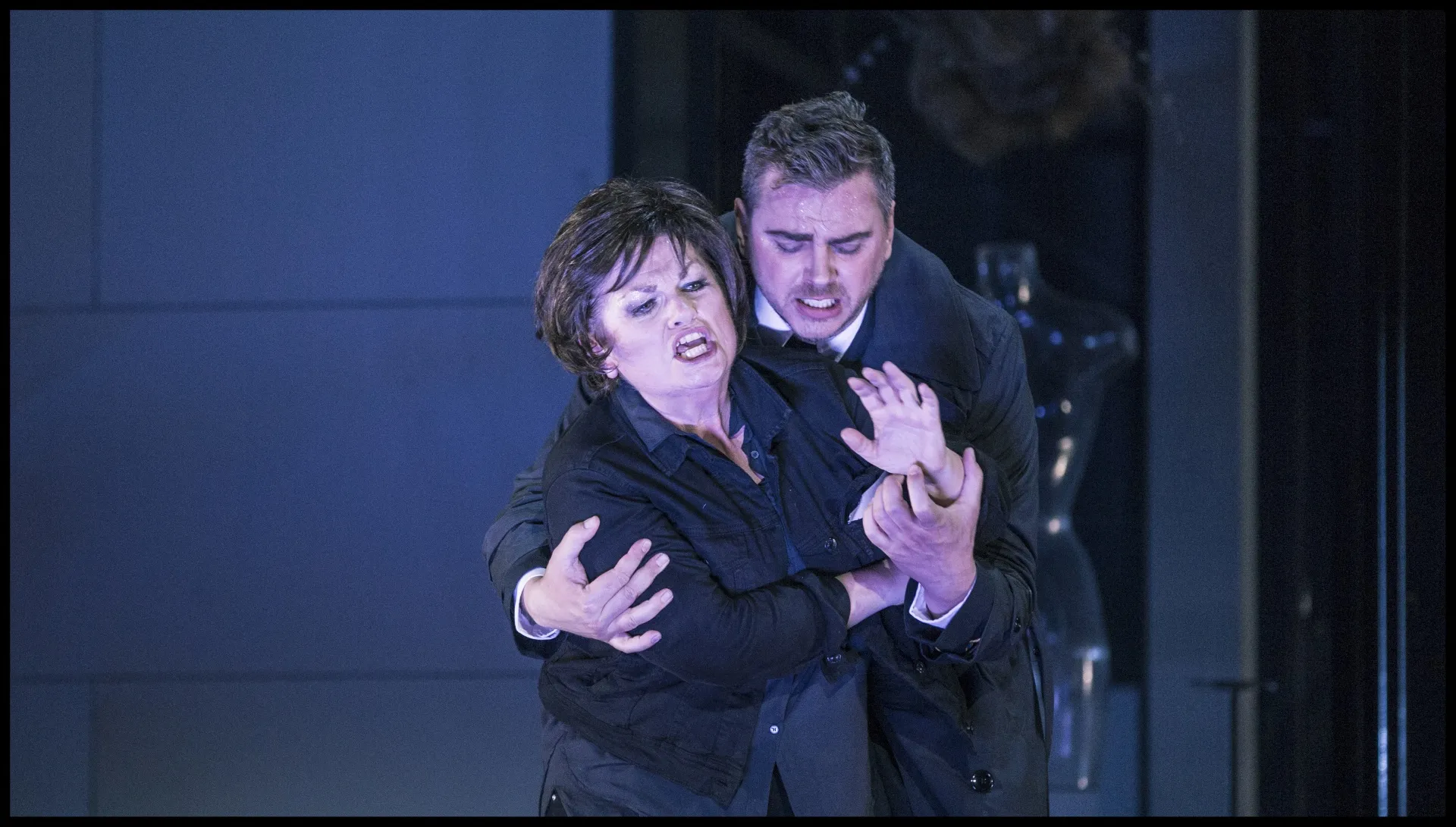
Károly Szemerédy was a dark, forceful Orest.I Hear Voices ·Geneva ·2022
 In costume · 2022
 Strauss's returning brother — the shortest great baritone role in the repertoire.
Orest is on stage for less than twenty minutes and changes everything. The recognition scene with Elektra is one of the supreme moments of twentieth-century opera, and the entire weight of the evening is asked to land in a handful of phrases.
The voice must arrive low, grounded, almost reluctant — Orest is not heroic; he is the silence the house has earned. Strauss writes the line under the orchestra rather than over it: the baritone must drop into the texture, not announce above it.
Every word matters because there are so few of them. The trick is not to act the homecoming — it has already happened. By the time he speaks, the deed is decided. He is, in effect, an instrument of memory delivered late.
Selected notes from the press — 2020 — present.
Károly Szemerédy was a dark, forceful Orest.I Hear Voices ·Geneva ·2022
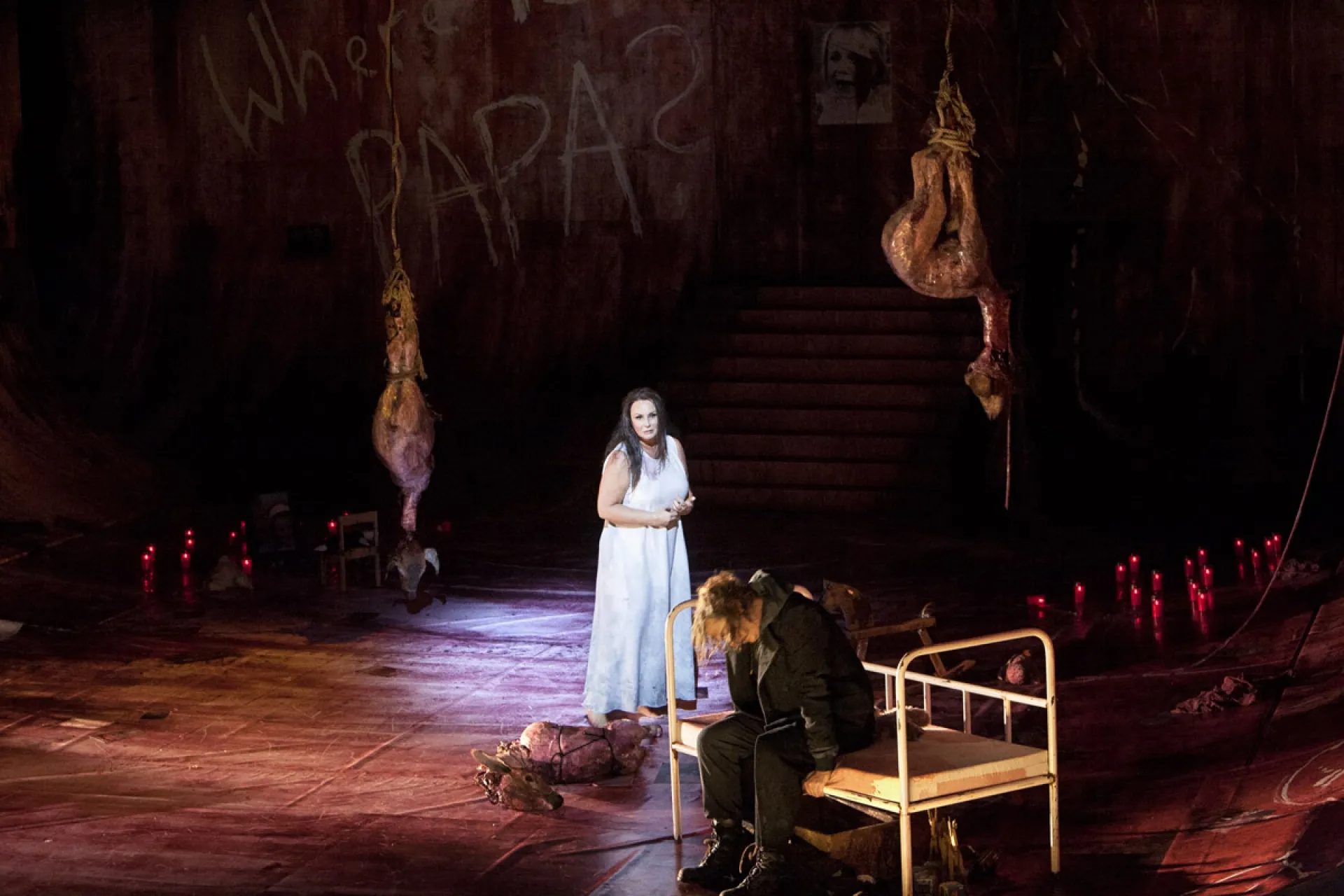
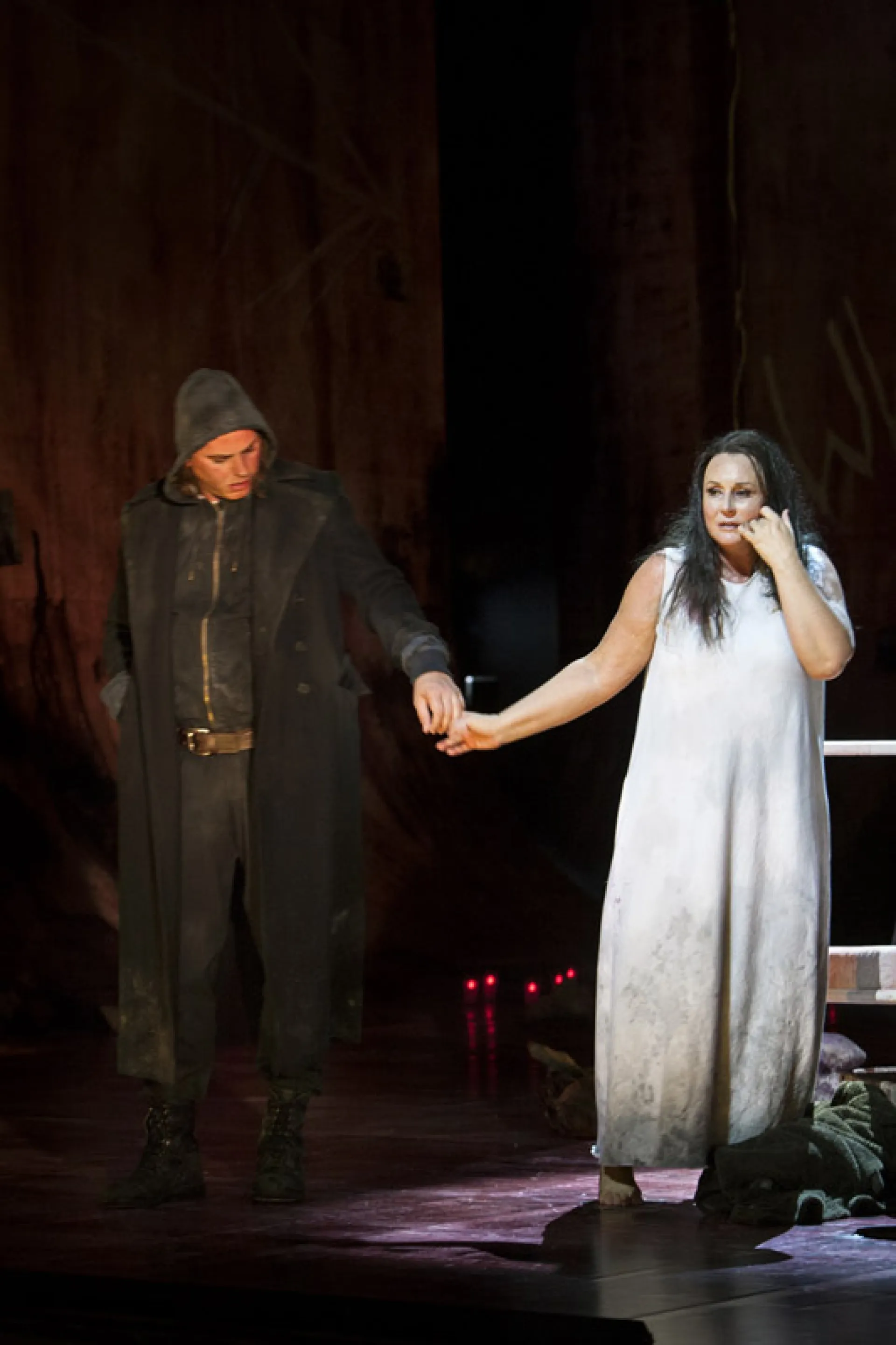
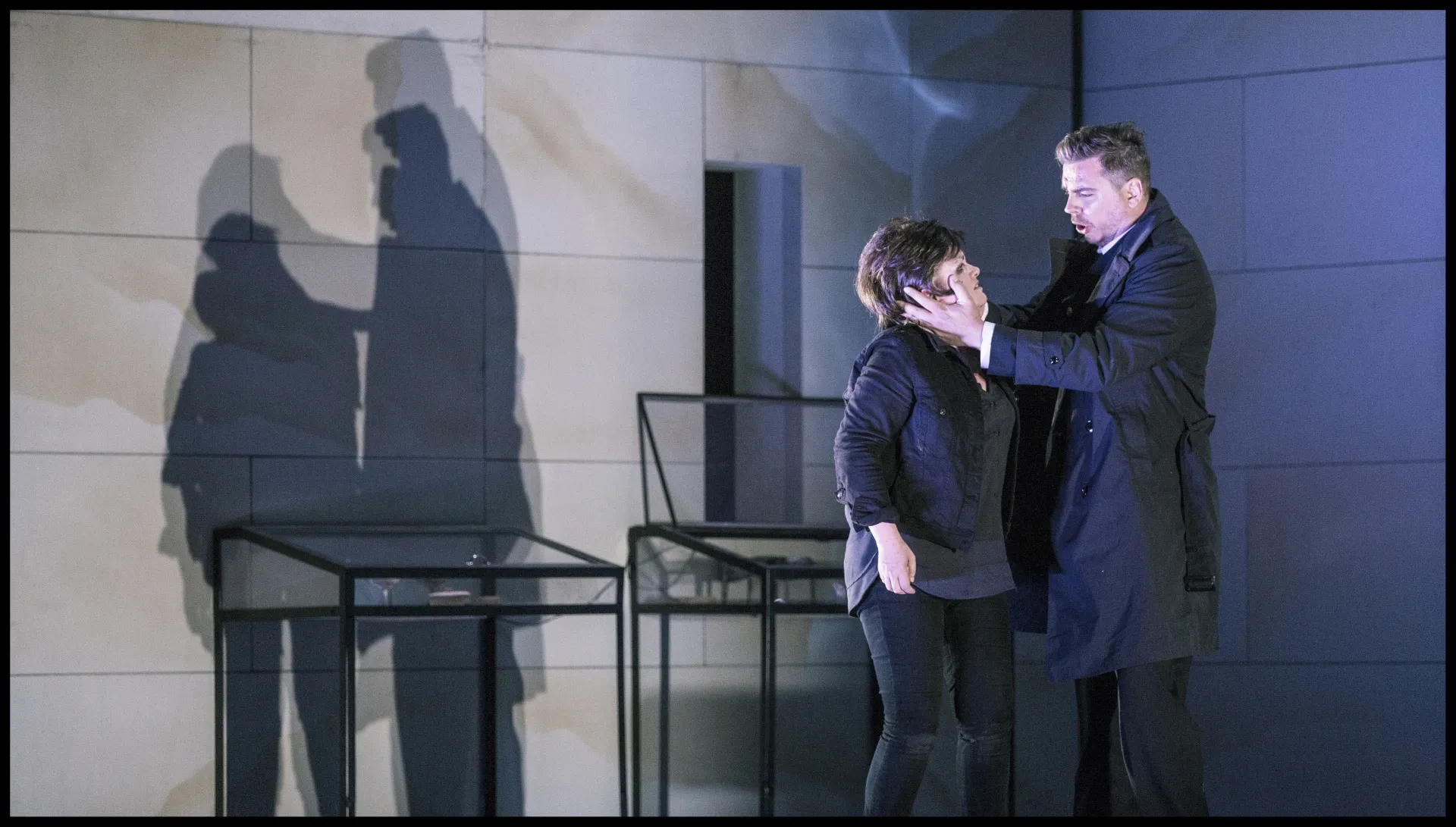
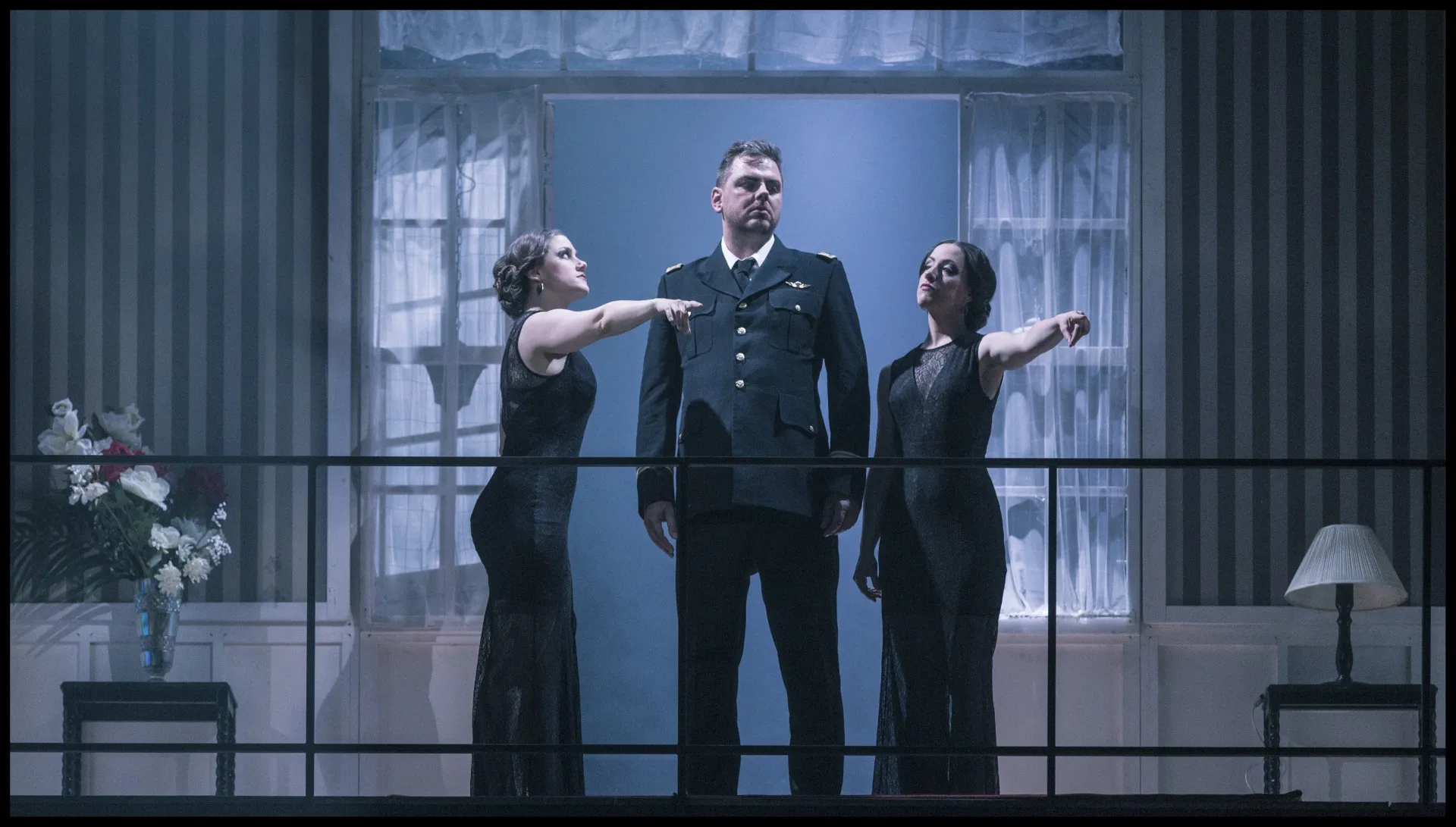
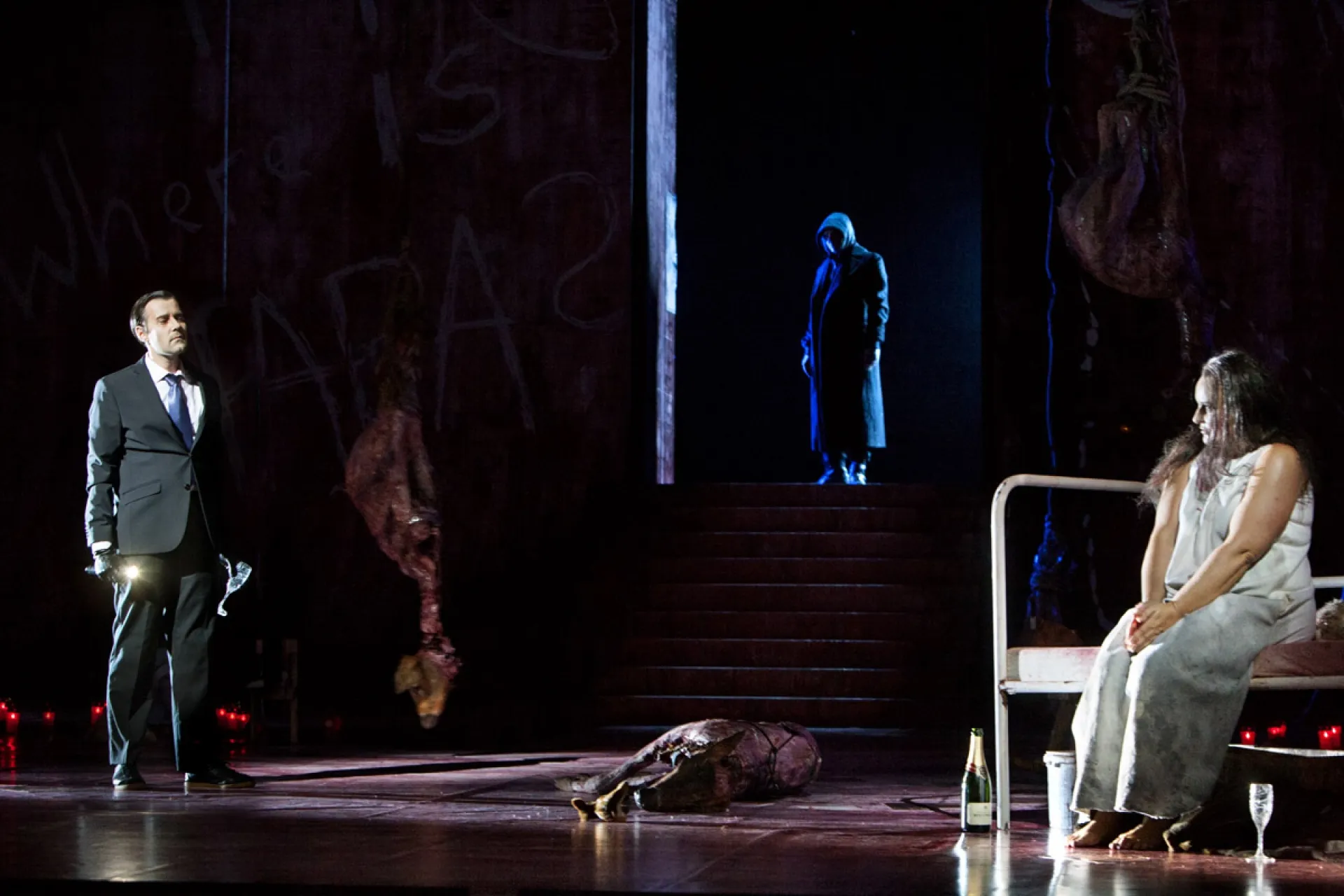
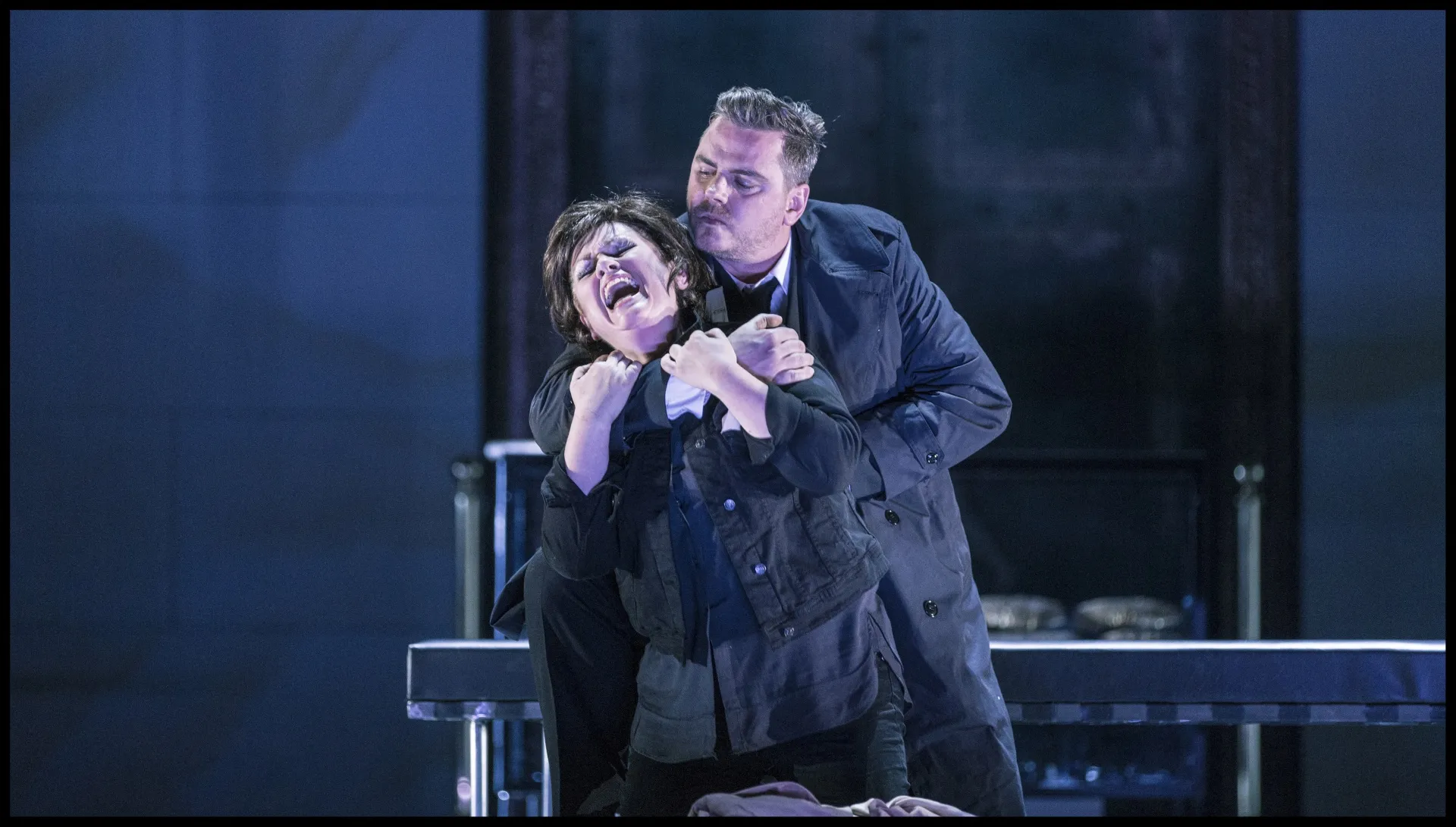
Production photographs from recent Elektra stagings.
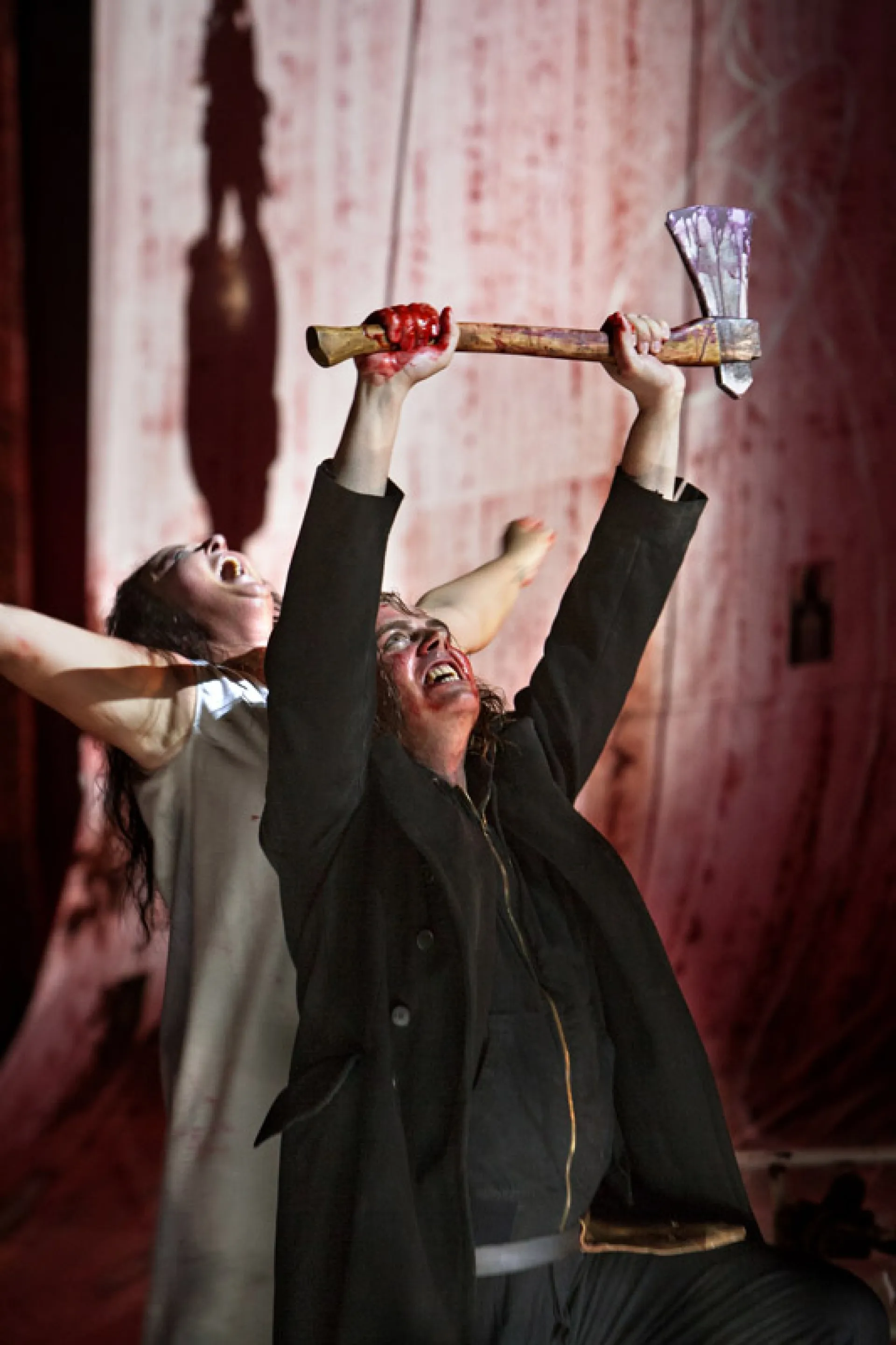
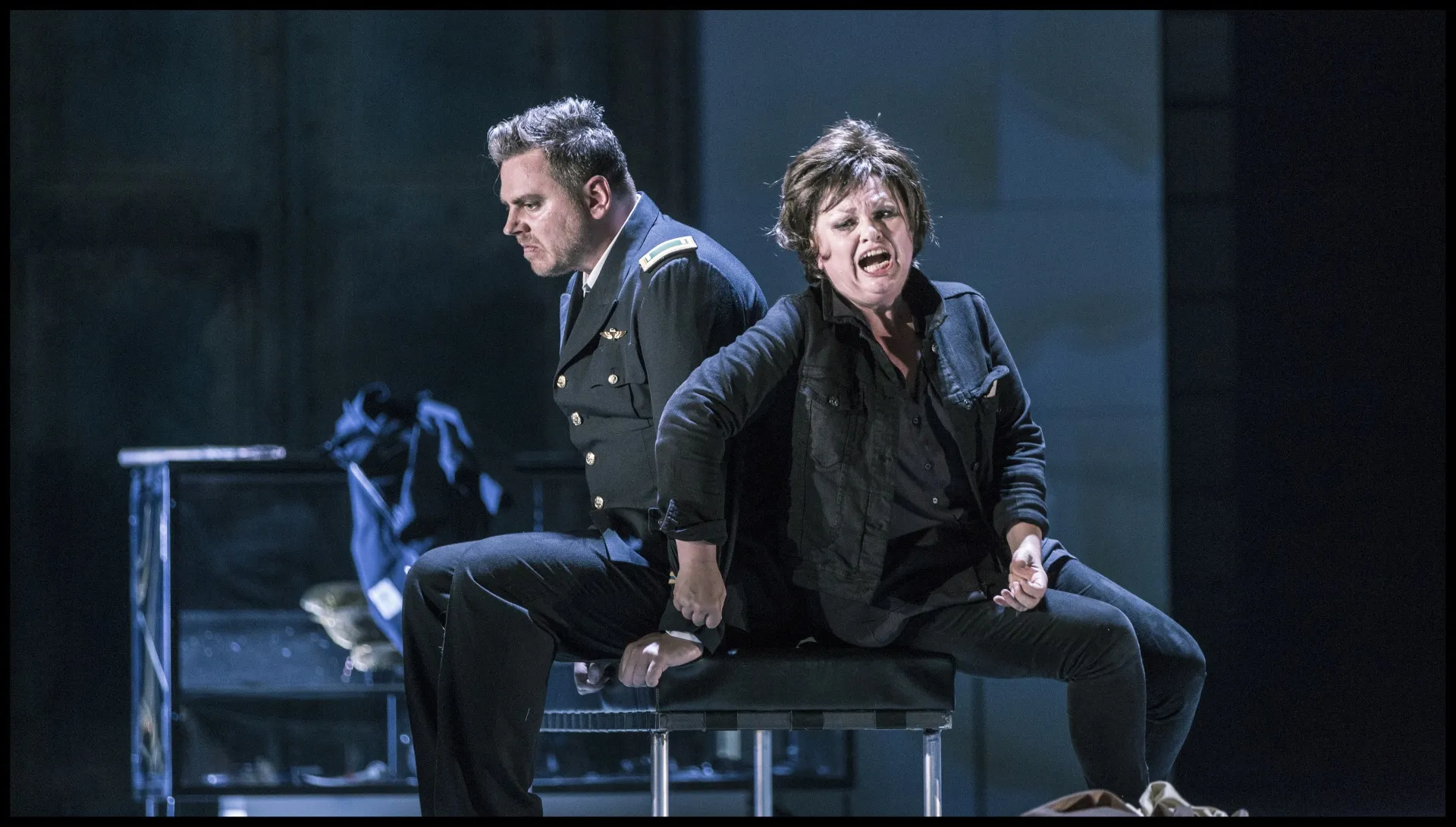
Press · high-resolution stills available on request → Press kit
Role debuts and revivals from the 2027 / 2028 season onward. Concert performances of Strauss's Elektra welcome.